












Pro Tips for Bit Selection and Maintenance of Your Nail Drill

Pro Tips for Bit Selection and Maintenance of Your Nail Drill
If you're serious about nail care, a quality nail drill (e-file) is one of your best friends. The right bit for the job can shave minutes off a service, improve results, and reduce the risk of heat buildup or damage to natural nails. The wrong bit, on the other hand, can dull quickly, wear unevenly, or create heat that leaves clients uncomfortable. This guide is your go-to resource for choosing the right bits and keeping them in peak condition, so you can deliver professional results every time.
Below you'll find practical, field-tested tips on bit types, when to use them, how to run your drill safely, and how to maintain and replace bits so your tools stay reliable for years.
1) Know Your Bit Family: Diamond, Carbide, Ceramic, and More
Nail drill bits come in several core families, each with unique advantages. Understanding the differences will help you pick the right tool for natural nails, enhancements, and detailing work.
Other specialty options include sintered diamond bits (a higher-end diamond variant optimized for precision work) and zirconia or ceramic-coated carbide bits (a blend intended to reduce heat buildup). Regardless of the type, the most important factors are grit, shape, and your technique. Always refer to the manufacturer's recommendations for your specific bits and drill model.
2) Matching the Bit to the Job: Natural Nails vs Enhancements
Natural nails and nail enhancements (acrylic, gel, hard gel, or SNS) require different approaches. Using the wrong bit or grit can cause micro-damage, heat, or premature wear.
Pro tip: always designate a "work bit" for product removal and a separate "finishing bit" for smoothing and polishing. Mixing tasks can lead to unintended damage and poorer results.
3) Grit, Shape, and Speed: How to Get Results Without Burning
The dance between grit, shape, and speed determines not only speed of work but also heat generation and the final finish.
As a practical mapping guide (always confirm with your bit and drill manufacturer):
- Natural nails: start at about 5,000-12,000 RPM with a fine to medium grit; use light, gliding passes rather than heavy, press-and-hold pressure.
- Acrylic or hard gel removal: 12,000-22,000 RPM with a medium to coarse grit carbide bit; keep the bit moving and watch for heat.
- Finishing/smoothing: 8,000-16,000 RPM with a fine grit diamond or ceramic finishing bit; light contact and controlled passes.
Important note: always follow the specific guidelines provided by your bit and drill manufacturers. They'll include safe RPM ranges and contact guidance tailored to the material and tool design.
4) Technique: Hold, Pressure, and Angles for Comfort and Control
A lot of the outcome hinges on technique. Even the best bit can underperform if you're not using proper form.
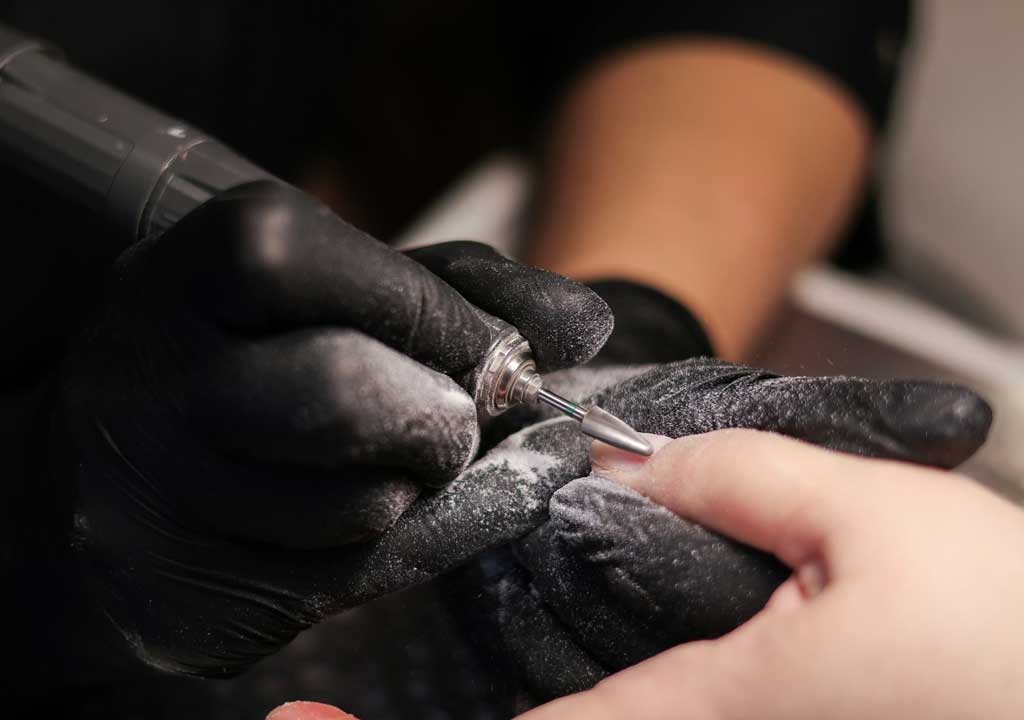
Grip and posture matter. Hold the drill like a pen, with your wrist relaxed. Keep your elbow anchored to avoid tremor or jerky movements. A steady, controlled motion yields consistent results and reduces the risk of heat buildup and accidental contact with skin.
Angle and contact: aim for a 30-45 degree angle between the bit and the nail surface. The bit should skim the surface rather than press into it. Pressing too hard is a common cause of heat and nail plate damage. If you notice redness in the client's finger bed or warmth radiating from the nail, ease up immediately.
Motion style: glide the bit across the surface in sweeping, overlapping passes. Avoid staying in one spot for more than a second to prevent heat pockets. For cuticle work or free-edge refinement, use shorter, controlled strokes with minimal pressure, and pause to assess heat and comfort.
Skin safety: always shield the surrounding skin. Use a steady hand to prevent the bit from contacting cuticles or finger skin. If you accidentally touch skin or sting, lift the bit away, clean the area, and reassess your approach and pressure before continuing.
Dust management: use proper dust control or extraction in your workspace. Nail dust can irritate the skin and lungs; a portable or built-in extraction unit helps maintain a comfortable, clean environment for you and your client.
5) Maintenance: Cleaning, Disinfection, Storage, and Care
Maintenance is the secret to longevity and consistent performance. Here's a practical, process-driven approach that fits busy salon life.
Post-use cleaning: after a service, remove visible product debris from each bit with a soft brush. Then wipe with a lint-free cloth dampened with 70% isopropyl alcohol. Never submerge the entire bit in water for prolonged periods, as moisture can corrode or loosen bonding agents. If your kit includes an ultrasonic cleaner, you can use it to remove stubborn residues, but always follow the manufacturer's instructions and remove bits first if the device supports it.
Disinfection and sterilization: this is where local regulations and salon policy come into play. In many settings, you'll need to disinfect bits between clients. Cleaning plus using an EPA-registered disinfectant or a chemical sterilizer is common practice. Some clinic-grade environments also sterilize bits in an autoclave. Always check the bit material and manufacturer recommendations-some ceramic bits may tolerate autoclaving, while others may not. If you're uncertain, err on the side of chemical disinfection between clients and consult your supplier's guidelines.
Drying: after disinfection, ensure bits are completely dry before storage. Moisture can promote corrosion on metal bits and promote microbial growth on any debris trapped in the flutes. A quick air-dry or a gentle microfiber wipe helps.
Lubrication and bearings: some electric nail drills have bearings that benefit from occasional lubrication. If your drill's manual suggests lubrication intervals, follow them. Do not lubricate bits themselves unless the manufacturer specifies-most bits don't require it. Lubricating the wrong parts can attract dust or compromise performance.
Inspection and storage: inspect bits for signs of wear before each service. Look for dull edges, chipping, cracking, or flaked coating. If you notice any of these signs, retire the bit from service and replace it. Store bits in a protective case or a dedicated bit tray to prevent chipping or contamination. Keep similar bit types together to minimize cross-contamination and extend their life.
6) Replacement Timeline: When to Toss a Bit
There's no one-size-fits-all replacement timeline; it depends on usage, material, and care. Here are practical indicators that it's time to retire a bit:
- Visible wear: chips, cracks, or peeling coating on carbide or ceramic bits; diamonds pulling out or missing patches on diamond bits.
- Heat or burning: if a bit heats up excessively even at low pressure and you can't control it with technique, replace or switch to a cooler alternative.
- Performance drop: if the bit no longer cuts smoothly, leaves burrs, or requires more pressure to achieve the same result, it's time for replacement.
- Shank damage: any deformation, wobble, or looseness in the bit shank means poor fit and potential safety risk; retire it.
As a general guideline, daily salon use often warrants quarterly to biannual replacement for some bits, while light hobby use may extend life longer. Always base replacement on performance and safety rather than a fixed schedule.
7) Budget, Quality, and Brand Considerations
Investing in quality bits pays off in performance, safety, and client satisfaction. Here are tips to maximize value without overspending:
- Buy a starter kit from a reputable brand that includes a few versatile bits (fine diamond, medium carbide barrel, finishing ceramic) and a protective case. A cohesive set ensures consistent sizing and compatibility.
- Avoid ultra-cheap, unknown brands-they often wear unevenly, heat quickly, or shed diamonds, posing safety risks and poor results.
- Prioritize material durability-carbide and ceramic bits that tolerate heat and resist dulling are usually worth the extra cost for professional use.
- Check shank compatibility-most drills use 3/32" shanks; some accept 1/8" or other sizes. Mismatch can lead to wobble, poor control, or damage to the bit or drill.
Remember: buying quality bits also reduces the risk of patient discomfort, time wasted on rework, and negative client experiences. In the long run, reliable performance pays for itself.
8) Common Pitfalls and How to Avoid Them
Even experienced techs fall into a few traps. Here are common missteps and how to sidestep them:
- Poor heat management: high speed with heavy pressure can burn the client and damage the natural nail. When in doubt, slow down and lighten your touch.
- Using the wrong bit for the job: always confirm the intended use (natural vs enhancement) before picking a bit. A bit designed for stacking removal might be too aggressive for natural nails.
- Neglecting sanitation between clients: even a clean bit needs proper disinfection. Follow your salon's protocol for cleaning and sterilization between clients.
- Ignoring noise or vibration: unusual vibrations can indicate a loose bit or a worn bearing. Stop and inspect rather than pushing through.
- Storage neglect: storing bits loosely can cause chipping and contamination. Use cases or trays that keep bits separate and protected.
9) Pro Starter Kit: What to Have in Your Bit Arsenal
If you're building or upgrading your nail drill kit, here's a practical starter list to cover most client needs while keeping things manageable on your workstation. You'll want a mix of materials and shapes for versatility, plus a few spare bits to keep your workflow smooth.
for smoothing and final polish on natural nails and after gel removal. for reshaping and surface prep on enhancements and natural nails. for bulk removal of acrylic and hard gels. for quick product removal and shaping around the cuticle. for smoothing and blending between layers or around the cuticle with low heat. for precision work around cuticles and sidewalls. (soft brush, lint-free wipes, alcohol, protective case).
Pair your bit collection with a reliable e-file that matches the shank sizes of your bits and includes variable speed control, forward and reverse functions if needed, and a comfortable grip. Always follow the manufacturer's guidelines for maintenance and replacement parts.
10) Safety, Hygiene, and Client Comfort
Finally, always place safety and client comfort at the forefront. A few best practices can enhance safety and outcomes without slowing you down:
: wear safety glasses or a shield, especially when removing product-it's a dusty process, and eyes and breathing matter. : use a high-quality dust extraction system or a portable vacuum to keep the workspace clean and comfortable for clients and technicians alike. : be mindful of client allergies or sensitivities to disinfectants and powders; have alternatives on hand if needed.
In addition to the above, always adhere to your local health regulations and the sterilization standards set by your salon or spa. The right combination of bit selection, technique, and meticulous maintenance not only yields better results but also protects your clients and your equipment investment.
Putting It All Together: A Simple Routine You Can Rely On
To help you implement these tips, here's a practical routine you can adopt, whether you're prepping for a busy day or refining your skillset:
- Inspect your bits for wear; replace if necessary.
- Check shank fit and drill compatibility.
- Set your drill to a conservative starting speed and test on a practice fingertip or dummy nail if available.
- Start with a light touch and gradually increase as needed.
- Switch bits as the task changes (bulk removal, shaping, finishing).
- Monitor client comfort; pause if you sense warmth beyond the client's tolerance.
- Clean the bits thoroughly to remove debris.
- Disinfect according to your protocol; dry completely.
- Store the bits in their designated case or tray to maintain organization and prevent damage.
By integrating these habits into your routine, you'll maximize your (a) efficiency, (b) safety, and (c) client satisfaction-while extending the life of your bits and your drill.
Conclusion: Invest in Your Craft, Protect Your Tools
Your nail drill bits are more than just accessories. They're the fine line between a flawless manicure and a chipped, irritated client experience. The right bit for the job, used with proper technique and routine maintenance, will help you deliver consistent, high-quality results while keeping your tools in top shape year after year. Remember to choose the right material for each task, adjust your speed and pressure to minimize heat, and maintain a disciplined cleaning and storage routine. With thoughtful bit selection and care, you'll be well on your way to faster services, happier clients, and less downtime replacing dull or damaged bits.
LIKED THIS ARTICLE? SHARE IT: