










Choosing Nail Drill Bits: A Guide for Gel, Acrylic, and Art

Choosing Nail Drill Bits: A Guide for Gel, Acrylic, and Art
Nail drill bits, also known as e-file bits, are small but mighty tools in a nail technician's kit. They come in a surprising variety of shapes, materials, and grit levels, and choosing the right bit can dramatically affect how quickly you work, how comfortable your client is, and the quality of the finish you achieve. Whether you're removing gel, shaping acrylics, or crafting intricate nail art, the right bit makes a difference. This guide breaks down the essential decisions you'll face when choosing nail drill bits, with practical tips for gel nails, acrylic nails, and nail art.
Understanding the Basics: What a Nail Drill Bit Is and How It Works
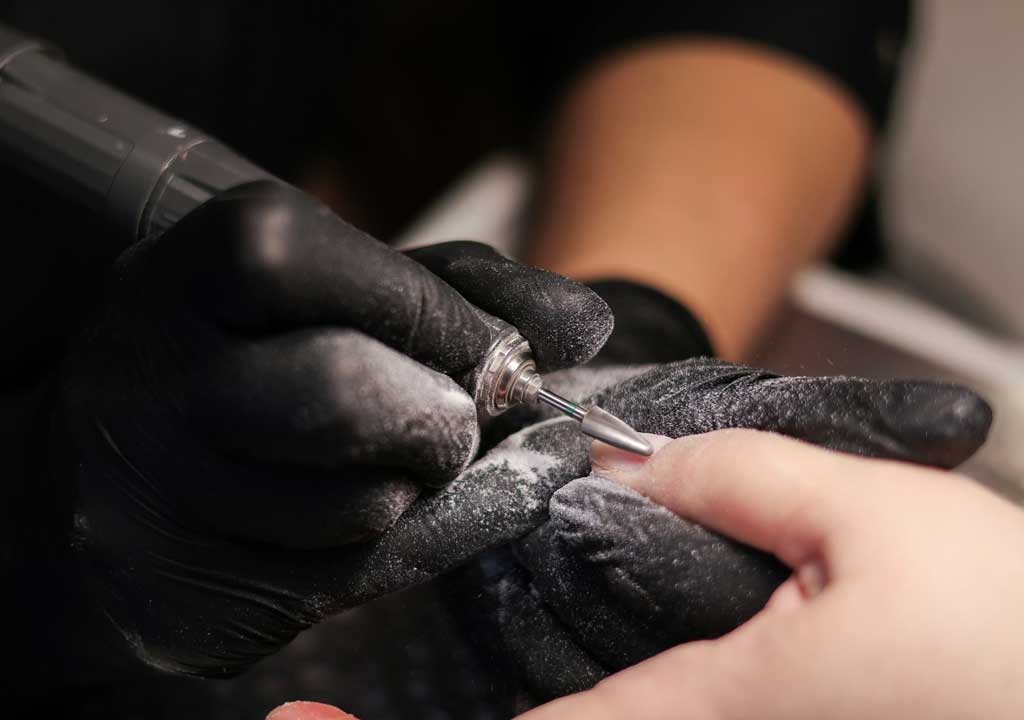
An e-file (electronic file) uses powered drill bits to remove material, shape the nail, and refine the surface. The bit is attached to a handpiece that spins at high speeds, typically measured in revolutions per minute (RPM). Bits are made from different materials and come in various shapes. The combination of material, grit, and shape determines how aggressively the bit files, how much heat it generates, and how delicate it is on natural nails.
The two most important considerations when choosing a bit are the material and the grit. Material affects durability and heat generation, while grit indicates how aggressively the bit removes material. In most professional salons, carbide and diamond bits are the workhorses, with ceramic bits gaining popularity for their heat-handling properties. The shape of the bit matters for reach, control, and precision-especially around the cuticle, sidewalls, and free edge.
Materials: Carbide, Ceramic, Diamond, and Beyond
Carbide: Carbide bits are among the most common and versatile. They're hard, durable, and effective at removing acrylics and gel coatings quickly. They tend to run cleanly and can stand up to repeated use, which makes them a reliable choice for busy salons. For acrylic removal, a medium-to-coarse carbide bit is a frequent pick because it reduces friction and heat when used properly. However, it's important to control pressure and speed to avoid overheating the natural nail.
Ceramic: Ceramic bits are valued for their heat-dissipation properties. They tend to generate less heat under similar work conditions, which can be a big advantage when you're removing coats of gel or soft gel polish or working with natural nails. Ceramic bits can be a bit more brittle than carbide, so you'll want to handle them with care, especially when finishing tight curves or delicate areas.
Diamond: Diamond bits are used for precision tasks and for finishing touches. They excel at filing between layers, refine irregularities, and shaping without removing too much bulk. Diamond-coated bits come in various forms, including microparticle and industrial-grade diamonds. They're particularly good for thin gels and for high-detail nail art where you need a light touch to avoid scratching the surface of the nail.
Steel or stainless-steel bits: These exist but are far less common for professional gel and acrylic work. They're typically not as durable or heat-resistant as carbide or ceramic and can wear more quickly when used at high speeds. Some entry-level or lower-cost kits may include steel bits, but most professionals favor carbide, ceramic, and diamond for performance and reliability.
Shapes and Their Roles: Barrel, Cone, Needle, and More
Bit shape determines how you reach the cuticle, how aggressively you remove material, and how much control you have in tight spots. Here are some common shapes you'll encounter and what they're best for:
Barrel bits: Barrel bits are the workhorse shape for surface work and bulk removal. They're great for evening out the surface of acrylic overlays or gel coatings and for reducing bulk when shaping the free edge. They come in various lengths and diameters and are often used for initial shaping after prep work.
Cone or tapered bits: Cone bits are excellent for precision work in the distal cuticle area and around the natural nail plate. They let you reach curves and initials without scratching adjacent skin. Use a finer grit on cone bits when approaching the cuticle to minimize heat and pressure.
Flame bits: Flame or teardrop bits combine a point and a broader base. They're versatile for shaping around the sidewalls and bulkier areas, as well as smoothing transitions from the free edge to the nail bed. They're handy for beginners who want a single bit that can do several tasks.
Bullets, bullets (bullet-shaped) and teardrops: These are more specialized shapes used for controlled removal in tight areas or for prepping the natural nail around the cuticle. They help avoid contact with the skin while still delivering precise results.
Needle or cylindrical bits: Needle bits have a long, narrow profile for extremely precise work, like cleaning under the free edge or working in very small contours. They require a light touch and precise technique because they're easy to over-file if you're not careful.
Ball bits and rounded bits: These are gentle finishing tools used for debulking and smoothing, helping to reduce harsh lines without gouging the surface. They're important for maintaining natural nail integrity, especially on clients with sensitive nails.
Grit and Coarseness: How to Read Grit and What to Use When
Grit on nail bits is a measure of how aggressively the bit files. Coarser grits remove material more quickly but create more friction and heat. Finer grits create a smoother finish and are gentler on natural nails. A typical range for nail work might look like this, though brands may label grit differently:
Coarse (rough): Used for heavy bulk removal and for quickly taking down thick acrylics. These are great when time is of the essence, but you must monitor heat and pressure to protect the natural nail.
Medium: A versatile middle ground, suitable for standard acrylic removal, shaping, and smoothing. Medium grit is a common choice for many routine tasks.
Fine: Used for refining surfaces, removing small burrs, and finishing touches. Fine grit helps achieve a polished look without digging into the nail plate.
Very fine to superfine: For delicate shaping, trimming near the cuticle, and detailed art work where you want maximum control and minimum abrasion.
Note: On many brands, grit numbers aren't always interchangeable. Some brands use terminology like "coarse," "medium," and "fine," without a numeric grit. Always check the manufacturer's chart for grit equivalence and recommended uses, and test new bits on practice swatches before applying to clients.
Gel Nails: Which Bits Are Your Best Friends?
Gel removal and maintenance require a careful balance of speed, control, and heat management. Gel nails can be thick and layered, so you'll want bits that can efficiently remove gel but also preserve the integrity of the nail plate.
Recommended choices for gel work:
- Carbide barrel or bullet bits (medium to coarse) for removal: These cut through gel quickly with careful technique. Use a light touch and keep the bit moving to minimize heat. Always work in short passes rather than forcing a single long pass.
- Ceramic bits for gentler heat management: If you're removing hard gel or builder gel, a ceramic bit can help reduce heat generation. Pair with controlled speeds and light pressure to avoid overheating the underlying natural nail.
- Fine to medium diamonds for finishing: After bulk removal, use a fine diamond bit to smooth the surface and prepare for re-application of gel. Diamonds can help create a smooth base without removing too much material.
- Precision bits for cuticle and free edge: Cone or small bullet bits help with cleanup around the cuticle line and shaping near the free edge, ensuring an even, salon-quality finish.
Practical tips for gel work: start with a lower RPM and light pressure, keep the bit in motion, and periodically wipe the surface to monitor heat. If a client reports heat or discomfort, pause, cool the area with moisture or gel cleanser, and reassess before continuing.
Acrylic Nails: Picking Bits That Deliver Consistency and Longevity
Acrylic nails often require more aggressive removal than gel, especially when you're refilling or correcting lifting. The right bit can reduce filing time and protect the natural nail from unnecessary trauma.
Recommended choices for acrylics:
- Medium-to-coarse carbide bits for removal: These bits aggressively remove acrylic but should be used with care to avoid thinning the natural nail plate. Keep the bit moving and avoid applying excessive pressure.
- Ball and barrel shapes for shaping and smoothing: For acrylics, these shapes help you hollow and shape without creating harsh lines. They're excellent for evening out the surface after product application and for removing bulk near the cuticle.
- Diamond finishing bits for refining edges: After bulk removal, switch to a finer diamond bit to refine the edge and create a seamless transition from acrylic to natural nail.
- Cone or tapered bits for cuticle prep and sidewalls: Precision around the cuticle and along the sidewalls helps prevent lifting and ensures a tight fit when applying new gels or tips.
Practical tips for acrylics: when removing, work with steady, overlapping passes rather than long, single strokes. If you notice heat accumulation, pause and apply a cool wipe before continuing. Consider using a bead of gel remover or a hydration-based technique to reduce friction if your client's natural nails are sensitive.
Nail Art and Detailing: Delicate Touches, Big Impact
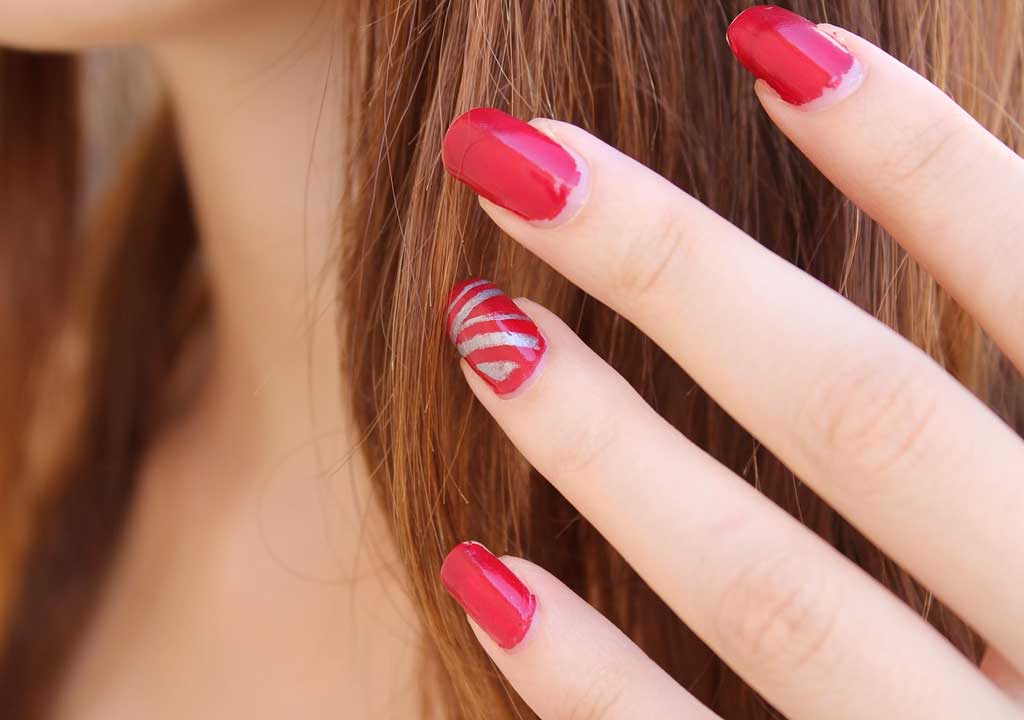
Nail art requires precision more than brute force. You'll often work with fine lines, tiny radii, and delicate textures. The key is control and consistency rather than speed.
Recommended choices for art-focused work:
- Fine and extra-fine diamond bits for lines and texture: These bits help create crisp lines, tiny dots, and intricate textures without scraping the surface. Diamond bits with micro-grit are particularly popular for art details.
- Needle bits for under-lift and tight gaps: A slender needle bit helps you work in tiny spaces and between decorative elements, which is essential for clean art lines and accurate detailing.
- Cone bits for cuticle and edge detail: When you're prepping a nail for art, these bits let you clean up curves and ensure the surface is even before painting or applying decals.
- Small barrel or ball bits for smoothing: After applying design elements, finishing with a small ball or barrel helps you blend edges and eliminate micro-burrs that could catch at the free edge or in a design crease.
Tips for art-focused work: maintain a light touch and a steady hand. Heat can melt gels used in some art techniques or distort a delicate design. Always keep the bit moving and frequently stop to check the progress against your reference image.
How to Choose: A Practical Decision Guide
Choosing the right bits can feel overwhelming. Here's a practical guide to help you decide what to add to your kit, especially if you're setting up a new workspace or expanding from a basic starter set.
1) Start with a versatile starter set: Look for a bundle that includes a few standard shapes (barrel, cone, ball), in both carbide and ceramic options, plus a fine diamond bit for finishing. A compact kit is ideal for beginners or as a travel setup.
2) Focus on compatibility: Check your drill's shank size (most common is 3/32 inch or 1/8 inch). Make sure the bits you buy fit your machine. Some kits are universal, but others are designed for specific brands or shank sizes.
3) Balance grit and purpose: If you're primarily removing gel, you'll want coarser bits with careful heat management. For acrylics and shaping, medium to coarse carbide will be your workhorse, with finer bits reserved for finishing and detail work.
4) Consider heat management: If you've had clients report heat during filing, look for ceramic or ceramic-coated options, or invest in a quality water-based cooling method and ensure you're not pressing too hard. Reducing speed slightly can also help keep heat in check.
5) Prioritize safety and hygiene: Always opt for sterilizable bits (most professional bits are autoclavable). Use a high-quality disinfectant or sterilization protocol between clients. Replace worn bits that show chipping, cracking, or rough edges, as they can damage natural nails or cause uneven surfaces.
6) Plan for maintenance: Choose materials that tolerate routine cleaning and disinfection without losing their edge or shape. Regularly inspect bits for wear and replace as needed. A dull bit can heat up faster and cause more friction, so replacement cycles matter.
Safety First: Best Practices for Using Nail Drill Bits
Working with e-files requires attention to client safety and personal safety. Here are some essential best practices to reduce risk and improve outcomes:
- Use the lowest effective speed: Start slow and increase as needed. High speeds can generate excessive heat and cause discomfort or damage to the natural nail.
- Keep the bit moving: Don't hold the bit stationary in one spot. Constant motion reduces heat buildup and ensures an even finish.
- Use light pressure: Let the bit do the work. Pressing hard can gouge the nail plate or create uneven edges.
- Protect the skin: Be mindful of the cuticle and surrounding skin. Use a cone or rounded bit near the cuticle to minimize the chance of nicks or cuts.
- Hydrate and cool as needed: In some cases, a light spray of water or a cooling solution can help dissipate heat during longer sessions. Some techs also use a gentle moisturizer after filing to calm the skin.
- Sanitize and maintain tools: Between clients, clean the bits with a compatible disinfectant and store them in clean, dry cases. Autoclave or use other approved sterilization methods as recommended by the bit manufacturer.
Care, Maintenance, and Longevity: Getting the Most from Your Bits
Well-maintained bits last longer and perform more consistently. Here's how to extend their life and keep performance high:
- Clean after every client: Wipe away dust and debris with a soft brush. For resin-based products, you may use a bit cleaner designed for e-file bits, following the manufacturer's instructions.
- Inspect for wear: Look for dull edges, chipping, or loss of shape. If a bit has any cracks or visible deformities, replace it immediately to avoid damage to the nail or risk to the client.
- Store properly: Keep bits in a dry, clean case. Avoid stacking bits in a way that can bend the shank or chip the cutting edge. Organize by shape and grit for quick selection during a service.
- Avoid moisture and temperature extremes: Prolonged exposure to moisture or heat can degrade bit materials over time. Dry storage and careful handling help preserve sharpness and integrity.
Starter Kit Recommendations: Building Your Core Toolkit
If you're building your kit from scratch, here's a practical outline of a balanced core kit. This setup gives you a broad range of capabilities for gel, acrylic, and art, without overwhelming a new technologist.
- 1x Barrel carbide bit, medium grit: All-purpose removal and shaping for acrylic or gel.
- 1x Barrel ceramic bit, medium grit: For cooler operation and less heat generation during gel removal.
- 1x Cone or tapered bit, fine grit: For cuticle prep and precision around edges.
- 1x Ball or round nose bit, medium grit: For smoothing and refining surfaces after bulk removal.
- 1x Diamond finishing bit, fine grit: For smoothing and detailing in art-focused work.
- 1x Needle bit, fine grit: For tight detailing and cleaning under the free edge.
- 1x Safety or rounded bit with a ball tip: For safe work near the cuticle and reducing risk of skin contact.
- 1x Mandrel and sanding bands (if you use sanding bits or polish options): For certain finishes and smoothing steps, reserve for compatible machines.
- Storage case and cleaning brushes: Keep everything organized, clean, and ready for the next client.
Common Mistakes to Avoid
Even experienced techs can slip into habits that hinder results or client comfort. Here are some frequent missteps and how to avoid them:
- Using too-high speeds on natural nails: This is a common cause of overheating and discomfort. If you're still learning, err on the side of lower speeds and lighter pressure until you're comfortable with the bit's response.
- Not maintaining proper contact: A bit that's not kept in smooth contact with the surface can create scratches or gouges. Keep the bit moving and maintain even contact with the nail surface.
- Overlooking hygiene: Bits that are not properly cleaned or sterilized increase the risk of cross-contamination. Establish a routine for cleaning and sterilizing between clients.
- Inconsistent technique: Different clients, different nail shapes, and different products may require adjusting speed and pressure. Develop a basic framework for each service and edit it based on client response.
Frequently Asked Questions
Q: Can I use any drill bit for natural nails, or should I only use high-end professional bits?
A: You can start with mid-range professional-grade bits, but you'll get better results with purpose-built nail bits designed for e-files. Investing in a small, reliable set will help you achieve consistent outcomes and reduce the risk of heat damage to natural nails.
Q: How do I know if a bit is•auto-clavable" or compatible with sterilization methods?
A: Check the manufacturer's specifications. Most metallic bits (carbide, ceramic, diamond) can be autoclaved or subjected to high-temperature sterilization. Follow the recommended sterilization cycle and ensure you're using a device that's compatible with the bit material.
Q: Are there beginner-friendly bits that are forgiving for new techs?
A: Yes. Start with a small selection of versatile shapes (barrel, cone, ball) in a mid-grit range, plus a fine finishing bit for detail work. Ceramic or ceramic-coated options can be more forgiving on heat, which is helpful for new technicians learning the feel and flow of the bit.
Q: What's the best practice for preventing heat buildup during removal?
A: Use lower speeds, keep the bit moving, apply light pressure, and consider intermittent cooling (with water spray or a damp cloth). If heat persists, pause and let the area rest before continuing. Customer comfort and safety come first.
Conclusion: Finding Your Perfect Set for Gel, Acrylic, and Art
Choosing nail drill bits is as much about knowing your goals as it is about understanding the tools themselves. Different materials, shapes, and grits each serve specific tasks, from bulk acrylic removal to delicate nail art detailing. A well-chosen set should cover gel removal, acrylic shaping and thinning, and a range of art-focused textures and lines, while still preserving the natural nail's health and strength. Start with a compact, versatile kit that includes carbide and ceramic options, plus a careful selection of shapes for reach and precision. As you gain experience, you'll learn which bits you reach for most and which combinations deliver the cleanest, most reliable results for your clients.
Remember: the goal is efficient work, safe practice, and beautiful nails. With the right bits in your toolkit, gel, acrylic, and art projects become more enjoyable, predictable, and professional. Happy filing, and may your designs be as flawless as your technique.
LIKED THIS ARTICLE? SHARE IT: