











Step-by-Step Nail Drill Cleaning and Disinfection

Step-by-Step Nail Drill Cleaning and Disinfection
In busy nail salons and at-home studios alike, nail drills (often called e-files) are workhorses. They power through shaping, filing, and refining tips, and they do it with speed. But the same power that makes these tools efficient can also spread germs and cross-contamination if proper cleaning and disinfection routines aren't followed. This guide walks you through a thorough, step-by-step approach to cleaning and disinfecting nail drills and their accessories, so you can maintain safety, extend the life of your equipment, and give clients or yourself peace of mind.
Why cleaning and disinfection matter
Cleanliness in nail services isn't just about aesthetics-it's a critical infection-control practice. Nail drills create heat, dust, and micro-abrasions that can harbor bacteria, fungi, and viruses if not properly cleaned and disinfected. Residues from previous clients can transfer to new clients, potentially causing skin irritation or more serious infections. A robust cleaning and disinfection routine helps prevent cross-contamination, protects your clients, and preserves the integrity of your equipment. It also aligns with best-practice guidelines from health authorities and equipment manufacturers.
Understanding nail drills and their risks
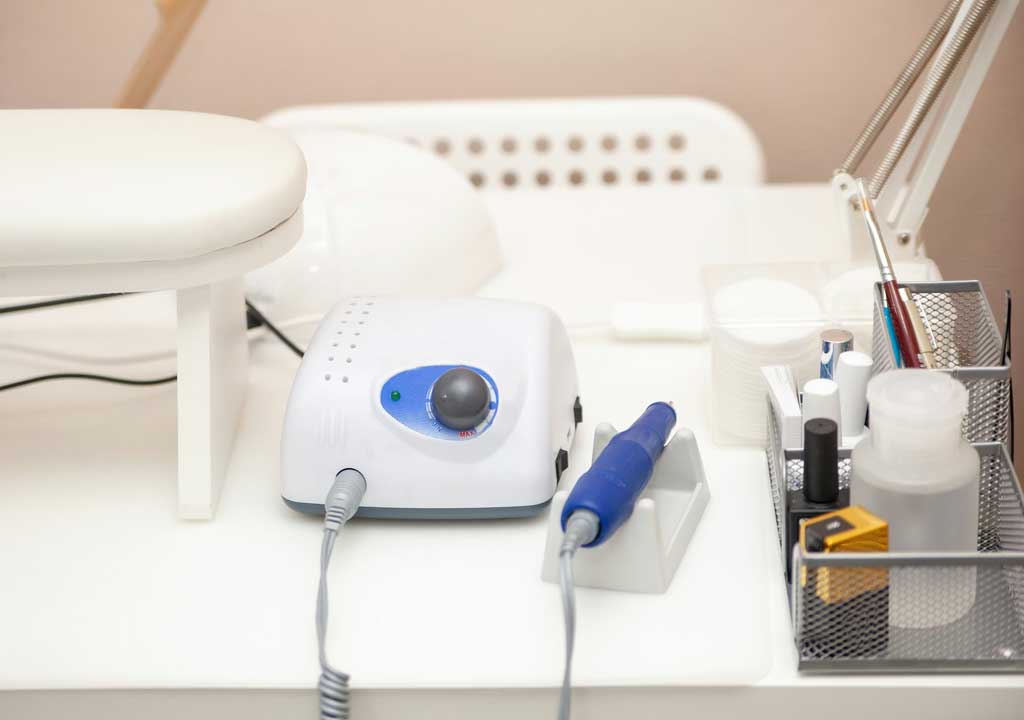
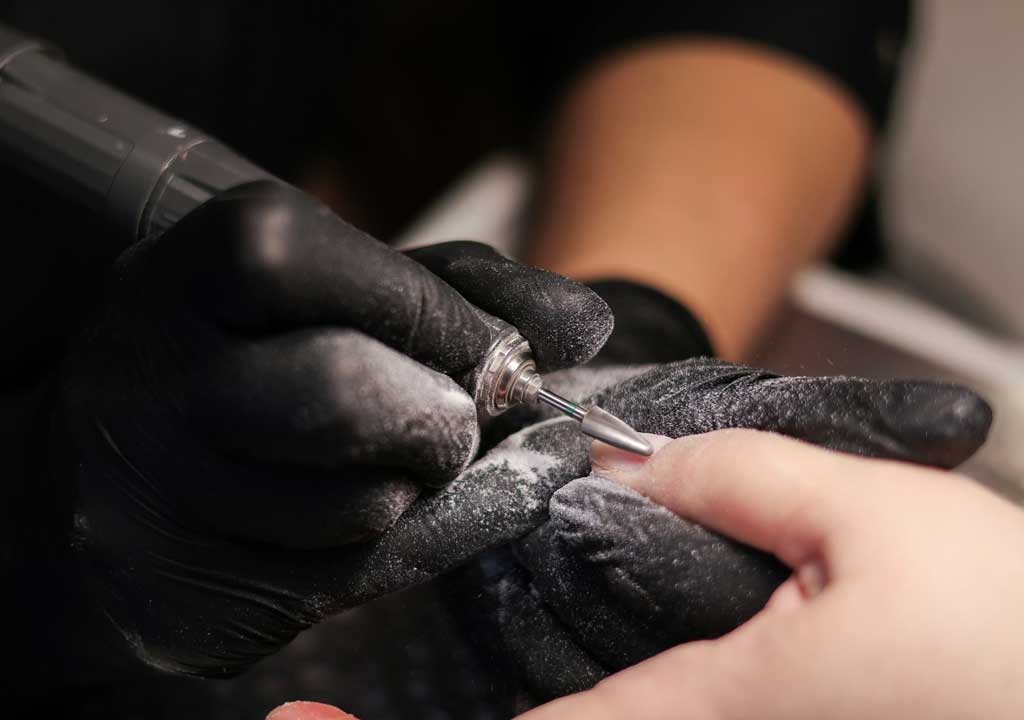
Nail drills come in several configurations, but they all share a few common risk points: the handpiece (the motor unit) and the detachable drill bits. The handpiece houses sensitive electronics and cooling systems, and it should be treated with care to avoid moisture intrusion. Drill bits, especially carbide and ceramic bits, are made to be cleaned and sterilized, but they must be properly processed according to the manufacturer's instructions. Many manufacturers recommend soaking or ultrasonic-cleaning metal bits and then disinfection or sterilization, while cautioning against submerging the handpiece or water-cooling lines unless specified. Always consult the user manual for your specific model before proceeding with any cleaning or disinfection steps.
What you need: materials and supplies
Gather these items before you start so you don't interrupt the workflow:
- Personal protective equipment: disposable gloves (nitrile or latex), eye protection, and a lab coat or apron as needed.
- A clean work surface and lint-free towels or disposable paper towels.
- Manufacturer-approved cleaning solutions (usually a mild detergent or enzymatic cleaner).
- EPA-registered hospital-grade disinfectants that are labeled for use on "instruments" or "equipment" and specify contact times (e.g., 5-10 minutes) for broad-spectrum activity.
- Soft-bristle brush, cotton-tipped swabs, and lint-free cloths for removing debris from vents and crevices.
- Isopropyl alcohol (at least 70%), for quick wipe-downs and to help with faster drying after cleaning.
- Ultrasonic cleaner (optional but highly effective for bits and detachable metal components).
- Detachable storage containers or sterilization pouches (for parts that are cleared for sterilization).
- Manufacturer-approved sterilization options: autoclave or other sterilization methods if applicable to your components; check labels and manuals.
- Labels or a logbook to track cleaning and disinfection cycles.
- Water source with clean, potable supply (for rinsing when allowed by manufacturer).
Note: Always follow the manufacturer's guidelines for your specific drill model. If a step is unclear or not permitted by the manufacturer, skip it and rely on recommended practices for that device. Do not attempt to bypass built-in safeguards or use chemical products not intended for the device.
Pre-cleaning prep: create a safe and effective workflow
Establish a dedicated space for cleaning and disinfection separate from the client service area when possible. Structure your workflow in logical steps to minimize cross-contamination.
Before you begin:
- Power down and unplug the drill if it is corded; if the handpiece is cordless, ensure it is not in use and turned off.
- Remove all drill bits from the handpiece and place detachable components into a cleaning tray. If you use a quick-change handpiece system, use the appropriate tool to detach the bit without forcing or bending parts.
- Set up your cleaning zone with all supplies within easy reach. Label containers for "to be cleaned," "disinfected," and "ready for sterilization" to avoid cross-use.
- Put on PPE: gloves, eye protection, and a clean apron or coat. Never mix cleaning and disinfection steps with bare hands exposed to chemical agents.
For those using multi-step manual cleaning, a general rule is to keep moisture away from the motor housing and electrical connections. If a part looks loose, damaged, or corroded, set it aside for repair or replacement rather than cleaning or reusing.
Step-by-step cleaning process
-
Remove bits and separate components
Begin by removing all detachable drill bits from the handpiece. Place bits in a dedicated bin or tray. If your handle has a quick-release mechanism, use it according to the manufacturer's instructions. This step minimizes moisture exposure to the handpiece and reduces risk of damage to internal components.
-
Wipe exterior surfaces
Wipe the exterior of the handpiece with a clean, lint-free cloth lightly dampened with a mild detergent solution or a manufacturer-approved cleaner. Avoid aggressive scrubbing that could scratch finishes or push liquid into vents and seams. After cleaning, wipe again with a damp cloth containing clean water to remove any detergent residue, then dry with a lint-free towel.
-
Dust and debris removal from vents and crevices
Use a soft-bristle brush or cotton-tipped swabs to remove dust and debris from vents and crevices around the handpiece and the head area. This improves cooling efficiency and reduces buildup that can harbor contaminants. Hold the device at an angle to prevent liquid from entering internal channels while brushing.
-
Rinse as required
If your manual permits rinsing, do so gently. Use minimal moisture and avoid direct streams into openings. For some devices, a damp cloth is sufficient; for others, you may rinse components in a basin of clean water after removing residues with detergent. Always dry thoroughly after any rinse to prevent rust or moisture damage.
-
Ultrasonic cleaning of bits and detachable metal parts
While the handpiece should generally not be immersed, bits and detachable metal components often respond well to ultrasonic cleaning. Prepare an ultrasonic solution as directed by the cleaner's label (usually a mild enzymatic cleaner or a specialized instrument cleaner). Place the bits and metal components in the ultrasonic cleaner for the recommended cycle duration. After cleaning, rinse, dry completely, and set aside to disinfect.
-
Inspect for damage
During cleaning, inspect each bit and component for wear, corrosion, or damage. Damaged items can harbor contaminants and may pose a safety risk if reused. Remove any compromised items from service and replace them as needed.
-
Prepare for disinfection
After visible debris is removed and components are dry, move to disinfection. Ensure you follow the disinfectant's label for correct dilution (if applicable) and contact time. Pre-wetting or soaking items not approved for submersion may cause damage; only submerge items that the manufacturer explicitly permits to be immersed.
Disinfection: choosing and applying the right products
Disinfection kills a broad spectrum of pathogens on nonporous surfaces and instruments. For nail drills and accessories, you should use an EPA-registered hospital-grade disinfectant with a label that clearly covers instruments or tools and specifies appropriate contact times. Follow these guidelines:
- Read and follow the label: The product label provides the concentration, contact time, and any surface preparation requirements. Do not shorten or skip contact times, even if the surface appears clean.
- Prepare the disinfectant as directed: Some products require pre-dilution or pre-cleaning before disinfection. Do not mix products unless the label permits.
- Apply to all surfaces: Use a lint-free cloth, sponge, or spray bottle to wet the surfaces of the handpiece and detachable parts. Avoid pooling liquids in the handpiece openings; use just enough moisture to cover surfaces.
- Maintain the contact time: Let the surfaces remain visibly wet for the full recommended duration. Do not wipe off early, as this can reduce the effectiveness of disinfection.
- Dry thoroughly after disinfection: After the contact time, wipe surfaces with a clean, dry cloth or allow air-drying in a clean area. Residual moisture can reintroduce contaminants or cause corrosion on metal parts.
Special notes for disinfection of bits and detachable bits:
- Carbide and ceramic bits can withstand chemical disinfection, but some coatings or finishes may be sensitive. Always check the bit manufacturer's recommendations for compatible disinfectants.
- Glass or diamond-coated bits may have different tolerances; ensure compatibility before soaking or spraying.
- If you use a spray disinfectant, ensure the spray reaches the surfaces in grooves and threads, including any screw threads for bit attachments.
Sterilization vs disinfection: when to sterilize and how
Disinfection reduces a broad range of pathogens on non-critical medical devices, while sterilization aims to eliminate all forms of microbial life. In the context of nail drills, sterilization is typically reserved for detachable metal components and bits that are labeled as steam-sterilizable or autoclavable. Here are the key points to consider:
- Detachable metal bits and some metal components: Many of these parts can be sterilized in an autoclave if the manufacturer approves it. Autoclaving exposes items to high heat and pressure, effectively sterilizing them. Check the instrument label and the device manual to confirm.
- Handpiece: Most modern electric handpieces are not suitable for autoclaving due to the risk to electronics and seals. Do not autoclave the handpiece unless the manufacturer explicitly instructs that it is safe. If you're unsure, do not sterilize the handpiece this way; rely on disinfection for the exterior and routine maintenance per the manufacturer's instructions.
- Barriers and single-use components: Use disposable barriers or replaceables as recommended. This can substantially reduce the frequency of complex sterilization steps and help maintain hygiene with less risk of damage to sensitive devices.
If your facility uses autoclaving for suitable items, ensure:
- Items are cleaned and dried prior to autoclaving to avoid trapping moisture.
- Items are placed in sterilization pouches with indicators (chemical/biological indicators) to verify cycles were successful.
- Manufacturer guidance is followed for autoclave settings (temperature, pressure, and duration) and load configuration to prevent damage.
Disinfectant contact times and practical tips
Contact time-the amount of time a surface must remain wet with the disinfectant-is critical. Shortening contact time can reduce effectiveness. Practical tips to maximize efficacy:
- Always pre-clean surfaces to remove visible soil before disinfecting; dirt can shield microorganisms from disinfectants.
- Apply the disinfectant evenly to all surfaces, including edges and grooves, using cloths or brushes; avoid puddling liquids in crevices where penetration is limited.
- Do not reuse towels or cloths that have been contaminated with biological material; use fresh or properly laundered towels between clients.
- If you use a spray bottle, wipe after applying to ensure the surface remains wet for the entire contact time.
- Document the time you start and finish disinfection to maintain a consistent routine and for auditing purposes.
Remember, surface cleaners and disinfectants are not a substitute for proper hand hygiene and glove use. Always wash hands and wear gloves when handling contaminated equipment, and change gloves between clients or service tasks where appropriate.
Common pitfalls and how to avoid them
A few common missteps can undermine your cleaning and disinfection routine. Here are practical fixes:
- Rushing through steps: Skipping pre-cleaning or relying on a quick wipe without a proper contact time reduces effectiveness. Take the time to clean and follow label directions.
- Moisture in the wrong places: Water intrusion into the handpiece can cause corrosion and electrical issues. Avoid soaking and ensure all parts are dried thoroughly before reassembly.
- Mixing incompatible cleaners: Combining cleaners or using products not intended for instruments can cause residue or chemical reactions. Stick to manufacturer-approved products and follow labels.
- Ignoring manufacturer guidelines: If a particular bit, handpiece, or accessory is not rated for submersion or sterilization, do not attempt it. Use the recommended process instead.
- Lack of routine: Inconsistent cleaning leads to buildup and higher risk of cross-contamination. Adopt a fixed daily schedule and stick to it, with weekly deep-cleaning sessions for all components.
Maintenance schedule and record-keeping
Consistency is key. A well-documented maintenance schedule helps ensure nothing falls through the cracks and provides traceability for clients and staff. Consider the following:
- Daily: Pre-treatment assembly check, exterior wipe-down, dry storage, dispose of single-use items, initial disinfectant cycle on all detachable parts, and log entry.
- Per-client or shift: Clean and disinfect between uses. If you notice signs of contamination or damage, isolate equipment and re-clean or replace parts as needed.
- Weekly: Deep clean all detachable parts with ultrasonic cleaning, supervised disinfection, and inspect for wear or damage. Review manuals for any manufacturer-recommended deep-cleaning routines.
- Monthly or quarterly: Test and verify storage barriers, check equipment seals, and ensure that all sterilizable components pass indicator tests if autoclave usage is implemented. Update the maintenance log with results and any replacements.
Keep a simple log that records the date, items cleaned, cleaning products used, disinfectant contact times, and any observations or parts that required replacement. This not only helps with compliance but also improves your service quality over time.
Special considerations for home vs professional settings
Home environments may lack the diverse equipment of a spa or salon. Nevertheless, you can maintain high hygiene standards with these tips:
- Invest in a compact ultrasonic cleaner for bits and detachable metal components to achieve better cleaning than manual scrubbing.
- Use EPA-registered disinfectants according to label directions, and store them in a secure cabinet away from children.
- Keep a portable cleaning kit with dedicated brushes, lint-free cloths, and spare disinfectant to rotate between clients or days.
- Post clear guidelines about not sharing certain items and ensuring that the working surface is kept sanitary and free of clutter that could harbor contaminants.
In professional settings, the stakes are higher due to higher client volumes and stricter regulatory expectations. Establish a formal cleaning protocol, provide staff training, and consider periodic third-party audits to ensure adherence to best practices.
Common questions (FAQs)
Here are answers to frequent questions about nail drill cleaning and disinfection:
- Can I submerge the entire nail drill in water? Most handpieces should not be submerged in water or cleaning solutions containing water. Always follow the manufacturer's instructions. It's generally safe to clean the exterior and detach parts, and to use indirect cleaning methods, but never soak the motor housing unless explicitly approved.
- How often should I disinfect the drill? At a minimum, disinfect between clients. In high-traffic environments, you may perform disinfection after every client, and deep-clean on a weekly basis. Also consider a daily exterior wipe-down as part of your routine.
- What about sterilizing the bits? Bits made of metal can usually be sterilized (e.g., autoclaved) if the manufacturer approves. Glass, ceramic, or diamond bits may have different sterilization tolerances. Always confirm with the supplier or manufacturer before autoclaving or using other sterilization methods.
- Is it okay to use alcohol on the handpiece? Isopropyl alcohol can be used for quick surface disinfection on the exterior if approved by the manufacturer. Do not use alcohol to rinse internal components or to soak the handpiece. Allow the surface to dry completely before reconnecting power or reassembling battery-powered parts.
- What should I do if a disinfectant label indicates a required rinsing step? If the label instructs rinsing after disinfection, follow those steps meticulously to prevent chemical residues from affecting clients or causing skin sensitivity.
Troubleshooting and additional tips
If you encounter persistent cleaning challenges, try the following:
- For stubborn residues inside crevices, use a soft brush with a mild detergent solution, then re-apply disinfectant after drying the area. This two-step approach often yields better results than disinfectant alone.
- If you notice odor persistence after cleaning, re-check the cleaning steps. Odors can indicate residual organic matter or inadequate drying; re-clean and ensure thorough drying.
- Regularly inspect seals, gaskets, and the power connections on the handpiece. Damaged seals can allow moisture to get inside and compromise electronics. Replace damaged parts promptly according to the manufacturer's guidance.
- Keep your sterilization indicators up to date. If an indicator shows an invalid result after sterilization, reprocess the items according to the product's instructions and replace any compromised components.
Implementation checklist: quick-start plan
- Set up a dedicated cleaning station with all required tools within reach.
- Remove bits and detach components after each client; place them in a labeled cleaning tray.
- Pre-clean surfaces, remove debris, and dry completely.
- Clean via ultrasonic or manual methods as appropriate for each component.
- Disinfect surfaces according to the label's contact time, ensuring full surface coverage and wetness for the whole duration.
- Rinse if required by the disinfectant label; dry thoroughly.
- Autoclave for sterilizable components if approved; verify with indicators post-cycle.
- Document the cycle in your maintenance log and replace worn parts as needed.
Putting it all together: a sample routine for a typical workday
Imagine a busy nail studio with back-to-back clients. A practical routine could look like this:
- After each client: remove bits, wipe exterior, brush vents, ultrasonic-clean detachable bits for 3-5 minutes, rinse if needed, and disinfect with a label-recommended contact time.
- Between clients: store disinfected, ready-to-use components in clean containers; replace disposable barriers and towels as needed.
- End of day: conduct a thorough, routine deep-clean of all tools and accessories, inspect for wear, and prepare items for any necessary sterilization steps per manufacturer guidance.
By maintaining consistent, documented routines, you help ensure safety, efficiency, and client confidence in your services.
Conclusion
Nail drill cleaning and disinfection is not just a technical requirement; it's a cornerstone of professional practice. A clean drill minimizes the risk of infection, extends the life of your tools, and helps you deliver high-quality results. By following a structured workflow, using the right products, and adhering to manufacturer recommendations, you can create a safer environment for both clients and technicians. Remember: when in doubt, consult the device's manual and the disinfectant label. When you combine diligent cleaning with consistent disinfection and proper sterilization where indicated, you're not only meeting standards-you're building trust with every service you provide.
Would you like a printable version of this routine or a tailored checklist for your specific nail drill model? I can customize a version that fits your equipment and setting, including a one-page laminated quick-reference guide for your station.
LIKED THIS ARTICLE? SHARE IT: