













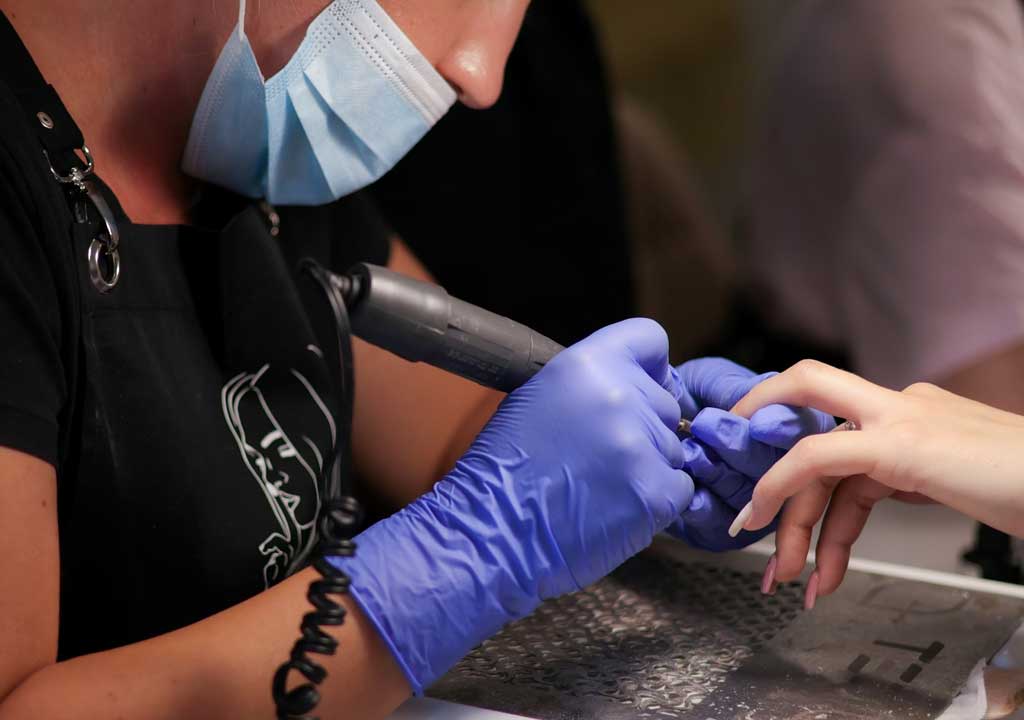
Cleaning, Lubrication, and Maintenance Tips to Prolong Nail Drill Life

Cleaning, Lubrication, and Maintenance Tips to Prolong Nail Drill Life
Nail drills are essential tools in modern nail care, helping technicians and enthusiasts achieve precise filing, shaping, and cuticle work. Like any precision instrument, nail drills perform best when they are clean, properly lubricated, and routinely maintained. When neglect sets in, you'll notice diminished performance: slower speeds, more vibration, unusual noises, heat buildup, or even premature component wear. This comprehensive guide walks you through practical cleaning, lubrication, and maintenance routines designed to extend the life of your nail drill, whether you're using a compact desktop unit at home or a full salon system. By following these steps, you'll reduce downtime, protect your investment, and maintain consistent results for clients and yourself.
Understanding the Nail Drill: Key Components and How They Wear
A typical nail drill consists of a motor (electric or air-powered), a handpiece that houses bearings and a chuck or collet, a shaft that carries grinding bits, and connectors for power, air, or water cooling (depending on the model). The most critical wear points are the bearings, seals, collet, and the interior moisture or dust seals around the motor. The bit's shank slides into the collet, and a tight, clean connection is essential for vibration-free operation. Over time, dust from nail dust and filing debris can infiltrate the handpiece through the air inlet or exhaust vents, while moisture from mani-pedi liquids can contribute to corrosion if the unit isn't properly dried after cleaning. Lubrication helps the moving parts glide smoothly, reducing friction, heat, and wear. Proper cleaning targets buildup on the exterior, in the air or water pathways, and around the bit shank. Regular maintenance keeps the handpiece balanced and responsive, ensuring predictable performance and a longer service life.
Why Cleaning, Lubrication, and Maintenance Matter
Cleanliness is not merely cosmetic; it translates directly into efficiency and longevity. Dust, skin cells, and pigment residues can cling to the exterior and enter tiny crevices where they bind with moisture and oil, creating gunk that hinders cooling and lubrication. Lubrication is the lifeblood of an air-powered or motorized handpiece. Inadequate lubrication accelerates bearing wear, increases friction, and can alter the handpiece's response time, leading to inconsistent drill speed and heat. Maintenance routines help you catch early signs of wear, such as rough rotation, squealing sounds, or changes in torque, before they evolve into costly repairs or full handpiece replacement. Establishing a routine-daily quick cleans, weekly deep clean and lubrication, and monthly checks-ensures your equipment remains reliable, safe, and efficient for both you and your clients.
Tools and Materials You'll Need
Before you start, assemble a dedicated cleaning kit and a separate lubrication kit. Keeping these supplies dedicated to the nail drill minimizes cross-contamination between skin-care products and mechanical lubricants.
Recommended items include:
- Isopropyl alcohol (70%-99%) for surface cleaning and disinfecting the exterior.
- Clean lint-free wipes or microfiber cloths to wipe surfaces without leaving fibers behind.
- Soft brush (such as a small artist's brush) for dust removal in vents and crevices.
- Compressed air in a can or compressor with an inline moisture trap to blow out debris-never blow dust directly into your face or eyes.
- Nail drill lubricant appropriate for your unit (air-motor oil or manufacturer-recommended lubricant). A light mineral oil or a dedicated handpiece lubricant is commonly used in many systems.
- Optional: replacement o-rings, new collets, or bearing service kits if your model supports DIY maintenance or if a professional service is not readily available.
Daily Cleaning Routine (When the Drill Is In Use)
Even on busy days, you can perform a quick daily routine that makes a big difference in performance and lifespan. The goal is to remove surface dust, wipe away moisture, and ensure the air or water pathways stay clear.
Steps:
1) Power down and unplug the unit before any handling. If your system runs on air, switch off the compressor and depressurize the line.
2) Detach the bit and inspect the chuck or collet for any visible debris. Wipe the exterior of the handpiece with a clean, slightly damp alcohol wipe, then dry with a lint-free cloth.
3) Use a soft brush to gently remove any dust from the vents and from the small gaps around the handpiece. Do not insert objects into the vents; a light touch with the brush is enough to lift debris.
4) If your unit is water-cooled, check for any water residue around the cooling lines and wipe dry to prevent rust or corrosion. Ensure the water reservoir is clean and free of particulates before you resume use.
5) Reinsert the clean bit and resume operation with a light, steady hand. If you notice any unusual vibrations or overheating during use, stop and perform a deeper check as described in the maintenance sections below.
Weekly Deep Cleaning and Lubrication
Weekly maintenance goes beyond the surface. It targets internal buildup and ensures the lubrication system is primed for the next week of use. This step may vary by model, so always refer to your device's manual, but the following guidelines apply to most common nail drills.
Cleaning focus areas:
- Exterior wipe-down with isopropyl alcohol to remove oils from lotions or creams used during treatments.
- Inspect the air inlet and exhaust for dust sealing. Use the brush to dislodge any material lodged inside the vents.
- Remove the bit and perform a quick inspection of the chuck or collet for wear or burrs. If the collet is stiff, use a small amount of lubricating oil on the collet threads to ease movement, then wipe away any excess.
- Lubrication: For air-powered units, apply a few drops (2-3) of manufacturer-approved handpiece oil into the air inlet or lubrication port, with the compressor running and the disconnect line open. Allow the oil to circulate as you operate the handpiece gently for a few seconds to spread the lubricant across the bearings. Wipe away any excess liquid around the exterior to avoid attracting dust.
- For electric or water-cooled units, follow the manufacturer's lubrication guidance. Some units require no lubrication; others need a maintenance oil in specific ports. Do not over-lubricate, as excess oil can attract dust and degrade performance.
- If you notice any abnormal play or roughness when rotating the bit by hand, document it. A small amount of play can indicate worn bearings, and you may need to replace parts or schedule a professional service.
Monthly Maintenance: In-Depth Care
Monthly maintenance is designed to catch wear before it becomes a problem and to refresh the unit's core components. This is the time to perform more thorough checks and consider parts replacement if recommended by the manufacturer.
What to do:
- Disconnect power and medium-line connections entirely. Remove the handpiece if possible and inspect for any cracks or damage in the housing. Do not attempt to disassemble the motor housing if you are not trained-this can void warranties and create safety risks.
- Inspect the collet and bit shank for burrs or nicks. A damaged shank can cause improper grip and wobble. If you detect damage, replace the bit and inspect the collet for deformation. A worn collet reduces runout and can lead to accelerated bearing wear.
- Lubricate according to the model's guidelines. Some units may require lubricant every 20-40 hours of use, while others may have longer intervals. Keep a log of usage hours and service accordingly to maintain consistent performance.
- Check the bearings for smooth rotation. If you feel a gritty sensation or hear grinding noise during manual rotation, your bearings may be wearing. Seek professional service if you cannot source a direct bearing replacement kit for your model.
- Inspect seals and O-rings for cracks or dryness. Replace seals if you observe brittleness or leakage. This step helps maintain a proper seal for air and prevents dust ingress into sensitive areas.
Lubrication Guidelines: What to Use and How Much
Lubrication is not optional for most nail drills; it's essential. The exact approach depends on whether your drill is air-powered, electric, or a hybrid. The key is to use a lubricant that is compatible with plastic, metal, and the seals inside the handpiece, and to apply only the amount recommended by the manufacturer. Too much lubricant can attract dust or gum up the mechanism; too little can cause excessive wear and heat.
General tips:
- Use a high-quality handpiece oil or the lubricant specified by the manufacturer. Avoid general-purpose oils that are too heavy or sticky.
- For air-powered drills, lubrication typically goes into the air inlet. A few drops (often 2-3) are sufficient for most models. Run the drill for a few seconds to distribute the oil inside the chamber, then wipe away any residue from the exterior.
- If your model uses a dedicated lubrication port or auto-lubrication system, follow the manual's interval schedule and avoid overfilling. Some units will have a built-in reservoir that requires refilling at set intervals.
- Do not lubricate the exterior of bearings or belts directly. Lubrication is meant for internal bearings and contact surfaces; external lubrication can attract dust and cause the unit to become clogged with debris.
Common Cleaning and Maintenance Mistakes to Avoid
Even with good intentions, some mistakes can undermine your maintenance efforts. Being aware of these pitfalls helps you keep your drill in peak condition.
- Using excessive water or soaking the handpiece. Moisture can corrode internal components and compromise electrical insulation. Always dry thoroughly after any cleaning involving liquids.
- Cleaning with abrasive materials or rough brushes on the exterior. This can scratch delicate finishes or remove protective coatings that help resist corrosion.
- Ignoring the manufacturer's guidelines. If you deviate from recommended lubrication types, intervals, or cleaning methods, you may invalidate warranties or cause faster wear.
- Failing to disconnect from power or air supply during maintenance. Even a powered-on handpiece can wind up turning unexpectedly, posing risk to hands and equipment.
Safety Considerations When Cleaning and Maintaining Nail Drills
Your safety and the safety of clients should guide every maintenance decision. Here are essential safety considerations:
- Always unplug the device and depressurize air lines before opening any housing or removing components.
- Wear eye protection when using compressed air to blow out dust. Particles can become airborne and injure eyes.
- Work in a well-ventilated area, especially when using solvents and alcohol. Avoid inhaling fumes and allow proper evaporation before resuming work.
- Use lint-free wipes to minimize residue that can get trapped in vents or crevices.
- Do not disassemble a unit beyond the recommended service points unless you are trained and authorized by the manufacturer. Incorrect disassembly can void warranties and create safety hazards.
Storage and Handling: Prolonging Overall Longevity
Storage plays a surprisingly large role in how long a nail drill lasts. Proper storage prevents dust ingestion, moisture exposure, and accidental damage from handling or transport.
Best practices:
- Store the handpiece in a clean, dry place, preferably in a dedicated case or pouch. Keep it away from direct sunlight and extreme temperatures.
- Cap or cover the bore and vents to reduce dust intrusion when not in use. If your unit has a protective cap for the chuck, use it whenever possible.
- Keep all fluids in their original containers and tightly sealed; label lubricant bottles and replace them when they become discolored or cloudy, which can indicate contamination.
- Avoid exposing the device to humid environments or water. Moisture can cause corrosion and compromise seals, O-rings, and electrical components.
How to Tell If Your Nail Drill Is Wearing Out
Recognizing early signs of wear can save you time and money. If you notice one or more of the following, it's time to assess, repair, or replace parts.
- Unusual or increased noise during operation, such as grinding, squeaking, or rattling sounds that weren't present before.
- Excessive heat buildup in the handpiece or a noticeable burning smell after running for a short time.
- Decreased speed at set torque or inconsistent RPM under the same load conditions.
- Vibration or wobble when a bit is inserted and rotated by hand. This can indicate bearing wear or a loose collet.
- Oil leakage around seals or an oily exterior that doesn't wipe clean.
- Visual signs of corrosion, cracks in the housing, or wear around the chuck or collet area.
Maintenance Log: Keeping Track of Care
A simple maintenance log helps you stay on top of tasks and prevent missed intervals. Record essential details such as the date, hours of use, lubrication type and amount, cleaning steps performed, and any parts replaced or observed wear. A log also helps you track trends. If you notice a gradual decrease in performance, you'll be better prepared to schedule service or order replacement parts before a failure occurs.
Prolonging Life: Tips with Real-World Impact
Beyond the routine steps, these practical practices help you maximize your nail drill's lifespan and maintain consistent results for clients.
- Use high-quality, manufacturer-approved accessories. The right bit quality and shank diameter ensure a proper fit in the chuck and reduce wear on the collet and bearings.
- Match settings to the task. Using the incorrect speed or pressure for a given bit or material can cause overheating and accelerate wear. Train staff or practice with OEM guidelines to establish safe, effective practices.
- Practice gentle handling. Dropping or banging the handpiece can cause internal misalignment or damage to the housing, which can be costly to repair and disrupt service.
- Schedule regular professional servicing. Some brands offer annual or biannual service intervals that include bearing inspection, seals replacement, and calibrated speed checks. A professional tune-up can extend the life of your drill beyond what routine cleaning achieves.
- Keep spare parts in stock. Having a few extra collets, o-rings, and a compatible spare handpiece can minimize downtime if replacements are needed on short notice.
Real-World Scenarios: Quick Guides for Common Models
Not all nail drills are built the same. Here are concise, model-agnostic guidelines that you can adapt to most systems:
- Air-powered systems: Prioritize air-line maintenance. Ensure moisture traps are functioning, replace or clean filters if your model has them, and apply lubrication as recommended. Regularly check for air leaks around hoses and connectors.
- Electric drills: Focus on motor cooling, verify that cooling vents are clear, and follow lubrication instructions if the model specifies lubricant in particular ports. Avoid blocking vents with towels or accessories during use.
- Water-cooled units: Keep coolant clean and free of particulates. Regularly flush and replace coolant according to the manufacturer's schedule and ensure no leaks around fittings. Wipe dry after cleaning to prevent rust and corrosion.
Frequently Asked Questions
Q: Can I over-lubricate my nail drill?
A: Yes. Over-lubrication can attract dust and leave residues that degrade performance. Always follow the manufacturer's recommended amount and interval.
Q: I hear grinding noises after a cleaning. What should I do?
A: Stop using the unit immediately, inspect for loose parts, damaged bearings, or a worn collet. If you can't identify the cause, seek professional servicing. Do not continue to operate a potentially failing handpiece.
Q: Is it okay to use water to clean the interior of the handpiece?
A: No. Water entering the handpiece can cause corrosion and electrical issues. Use dry methods and isopropyl alcohol on exterior surfaces only, following the manual's guidance for any necessary interior cleaning or service.
Conclusion: A Simple Routine for Long-Lasting Performance
Prolonging the life of a nail drill doesn't require complicated tools or expensive procedures. It requires consistent, mindful care: clean the exterior to prevent dust buildup, clean and inspect air or water lines, lubricate where the manufacturer prescribes, and perform a deeper inspection on a weekly to monthly cycle. By establishing a routine-daily quick cleans, weekly lubrication, and monthly performance checks-you'll protect moving parts, maintain steady RPM, extend your handpiece's life, and deliver reliable results for every client. Remember, the goal is to maintain the balance between cleanliness and lubrication without overdoing either. With thoughtful care, your nail drill will continue to be a precise, efficient instrument that serves you well for years to come.
LIKED THIS ARTICLE? SHARE IT: