










Pro Tricks with Nail Drills: Precision Shaping and Seamless Finishes

Pro Tricks with Nail Drills: Precision Shaping and Seamless Finishes
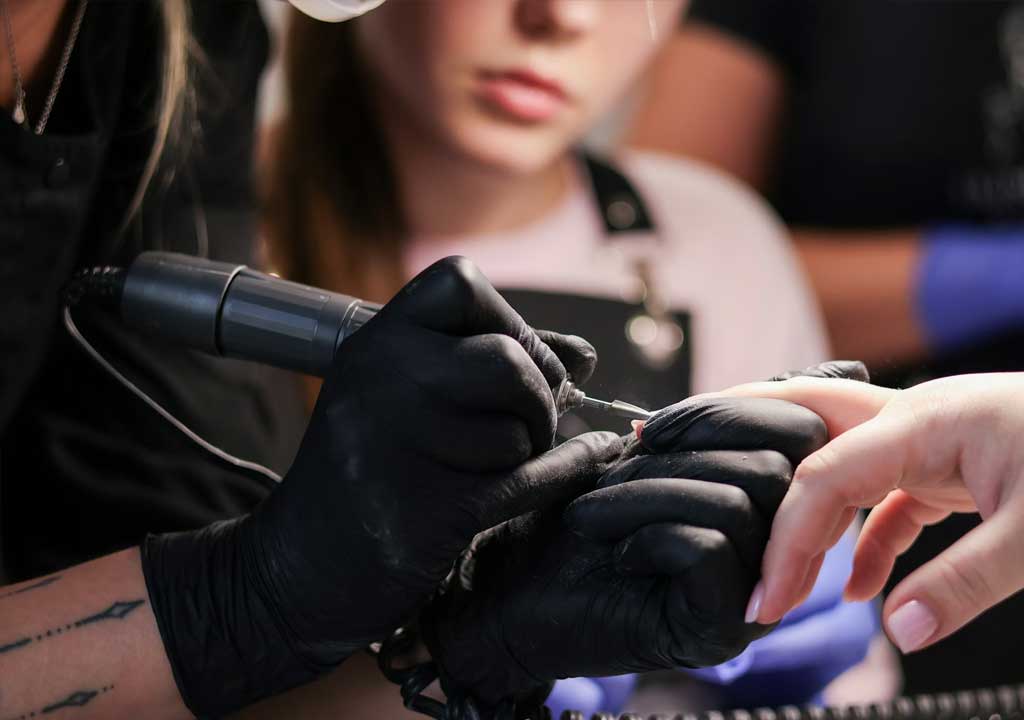
Nail drills, also known as e-file machines, are powerful tools in a pro's kit. When wielded with skill, they turn rough edges into whisper-fine contours, smooth out tricky shapes, and deliver finishes that look as flawless as a salon set. But precision with a nail drill isn't just about speed and pressure. It's about bit choice, ergonomics, technique, and a disciplined routine that protects natural nails, skin, and the client's comfort. This guide shares pro tricks for precision shaping and seamless finishes, plus practical tips on safety, maintenance, and sanitation so you can achieve salon-grade results every time.
Whether you're a licensed tech brushing up on advanced techniques or a dedicated enthusiast aiming to level up, these strategies will help you shape nails with surgical precision, blend thumbnails into the natural nail plate, and seal the result with a lasting, high-gloss finish. You'll learn how to pair the right bits with the right speeds, how to approach natural nails versus enhancements, and how to avoid common pitfalls that can dull the shine or cause heat spikes. Read on for a structured approach that blends technique with care.
Understanding Your Nail Drill: Bits, RPM, and Safety
Before you sculpt, you must know what you're sculpting with. A nail drill's performance hinges on the bit, the rotation speed (RPM), torque, and your hand's contact with the nail plate. A well-matched setup minimizes heat, extends bit life, and yields cleaner outlines. Here's how to set up for precision:
Choosing the right bit for the job
- Durable and aggressive, ideal for reducing bulk on enhancements like hard gels and acrylics. They cut with less friction, but require control to prevent gouges. Use with a light touch and short bursts.
- Great for refining surfaces, smoothing corners, and removing burrs. Coarse diamonds remove material efficiently; finer diamonds polish and blend. Choose grit 150-400 for shaping, 600-1200 for refinement and buffing.
- A clean balance between aggression and control, good for refinishing natural nails and removing bulk on overlays without overheating.
- Fine needle-point bits, diamond minis, and soft-grit scrapers can help with delicate cuticle work and sidewall tidying without risking the skin around the nail.
RPM and technique
- Start low (around 5,000-8,000 RPM) to assess heat generation and cuticle proximity. Increase in small increments only as needed.
- You'll often work higher (12,000-20,000 RPM) for bulk removal, then back down to refine edges. Always monitor heat; if the client feels warmth, pause and allow cooling or use a pulse technique.
- Use medium to fine grits at mid-speed. High-speed, coarse bits should never be forced over a thin nail plate; they can quickly create micro-scratches or heat spikes.
Heat management and technique
- Use short bursts rather than holding the drill in one place. Lift and re-contact to avoid localized heat buildup.
- Keep the bit in motion. Hover to blend transitions rather than pressing hard in one spot.
- Work with a light touch. The drill should do the work; the operator's pressure should be minimal-just enough to guide the bit's path along the desired contour.
- Consider a cooling or drying break if you're working with hot or sensitive clients. Small breaks prevent heat-related distress and allow adhesives to set evenly.
Setup and ergonomics
- Position the source of air and dust extraction so you're not blowing debris toward your client's face. A good dust extraction system reduces inhalation risk and keeps the work area clear.
- Maintain a comfortable posture to reduce fatigue. Rest your elbow on a stable surface and use your wrist, not your entire arm, to guide the bit for precision moves.
- Ensure the handpiece is light in your grip. A tense grip can transfer tremor into your strokes, compromising symmetry and surface finish.
Sanitation and safety basics
- Always sanitize the handpiece and bits between clients per manufacturer guidelines. Use appropriate disinfectants and avoid cross-contamination.
- Wear PPE: protective glasses or a face shield if you're dealing with a lot of dust, a mask when removing acrylic powders, and gloves as needed.
- Inspect bits for wear. Worn edges generate heat and dull results; replace or rotate bits as part of your routine.
Pro Tricks for Precision Shaping
Shaping is where artistry and engineering converge. Precision shaping means creating clean lines, elegant curves, and consistent thickness across the nail plate, without thinning the natural nail or creating weak points. Here are core techniques that seasoned techs rely on to achieve razor-sharp accuracy:
1) Map the plan before you touch the nail
Visualize the final shape and outline it in your mind before you begin. Use a quick mental or physical map: where the apex will be, where the sides will taper, and how the buffed surface will transition to the natural nail. A light touch on the initial passes helps you "trace" the intended contour, preventing over-bulk removal on any one zone.
2) Start with a broad contour, finish with refinement
Begin with a bit that's slightly more aggressive than what you'll use for the final pass. Remove bulk evenly across the shape, then switch to a finer bit for precise contouring. This staged approach reduces the risk of creating unexpected flat spots or uneven apex heights.
3) Maintain symmetry with consistent reference points
To ensure both hands mirror each other, establish and reuse reference points-like the same distance from the cuticle edge, the same apex height, and equal lateral nail walls. Regularly compare the nails side-by-side, adjusting as needed to maintain uniformity across fingers.
4) Build the apex deliberately
The apex is the nail's strength. Start with a shallow, central uplift and gradually build height while preserving a thin edge near the sidewalls. If you skim too quickly, you'll leave corners or flat surfaces that catch the light unevenly. Work the apex in a small, controlled arc that blends into the free edge with a seamless transition.
5) Focus on the sidewalls and corner radii
Crisp sidewalls frame the nail and influence the perception of length and symmetry. Use a narrow, pointed bit to refine the corners and slim the sidewalls, particularly for almond and stiletto shapes. Maintain an even curve along the free edge to avoid snagging or catching on fabrics or hair.
6) Use micro-adjustments for a flawless surface
After shaping, switch to a finer grit to "polish the texture" of the surface. Small, circular passes in areas that need rounding or refining deliver a uniform, feather-soft texture that's ready for finishing.
7) Shape natural nails with care
Natural nails require greater sensitivity to prevent thinning. Use lower RPMs and lighter pressure, especially near the cuticle and on the nail plate's central zone. Work in gentle, gliding strokes that mimic the natural curve of the nail bed.
8) Edge protection and cuticle work
Keep the cuticle area clean and protected. A common mistake is over-shaping near the cuticle, which can irritate the surrounding skin or cause lifting later on. Use a fine, gentle bit to tidy the cuticle line, moving away from the skin and toward the free edge with controlled, short passes.
Achieving Seamless Finishes: Filing, Buffing, and Sealants
A seamless finish is not just about removing bulk; it's about a smooth transition from enhancement to natural nail, a uniform density across the nail plate, and a topcoat sheen that lasts. Here are proven steps to deliver a flawless, long-lasting surface:
1) Final surface refinement
After shaping, switch to a finer bit and perform a thorough surface refinement. Your goal is a satin-smooth substrate free of micro-scratches. Gentle passes, even pressure, and steady motion create the base for a perfect finish. If you see micro-scratches, rework the area with a finer grit until a uniform surface is achieved.
2) Feather and blend the apex into the natural nail
To conceal transitions, ensure the apex fades into the natural nail with a gentle, tapered blend. Avoid abrupt changes in thickness at the apex edge. The blend should be invisible to the eye and feel natural to the touch. A soft, sweeping motion helps you achieve this seamless transition.
3) The barrier step: creating a smooth substrate
For enhancements, use a buffing block or a micro-smoothing bit to create a ready surface for primer and gel application. The smoother the substrate, the better the adhesion and the higher the gloss achievable with your top coat.
4) Dustless prep and cleansing
Remove all dust with a clean brush or air blower, then wipe with a dedicated cleanser to remove oils. A clean surface prevents lifting and ensures the durability of the finish. Avoid over-wetting, which can cause the product to shrink or lift later on.
5) Builder gels and overlays: apex and evenness
When using overlays, ensure consistent layering to form a uniform apex that supports long-lasting wear. Build in thin, controlled layers, curing per manufacturer guidance. Too-thick layers at any point can lead to cracking or a dull finish; thin, even layers bend and flex with the natural nail for better durability.
6) The topcoat strategy: non-wipe, gloss, and protection
Top coats come in several styles, including non-wipe, gloss, and gel-seal options. For a "no-wipe" top coat, ensure you follow curing times and post-cure cleaning steps correctly to prevent a sticky residue. Gloss top coats benefit from a final buff with a fine-grit pad to remove microscopic texture, creating a mirror-like shine that lasts.
7) Curing considerations and humidity
Light, temperature, and humidity affect cure times and final appearance. Ensure your curing lamp is functioning properly, and adjust exposure time if you notice heat spikes, yellowing, or clouding. In humid environments, you may need slightly longer curing periods or humidity-neutral formulations to achieve the intended gloss and adhesion.
8) Finishing without shrinkage or micro-misshapes
Seal the edges with careful micro-movements at the free edge to prevent bare spots. A well-sealed finish reduces micro-movements of the top layer that can lead to chipping or premature wear. Keep a light touch; you're aiming for even coverage, not thick layers that crack later.
9) Final buff and shine
A final, ultra-fine buff of the surface lifts out micro-scratches and creates a reflectivity that reads as seamless. A clean, dust-free buff is essential-any leftover dust will spoil the gloss. Wipe again with cleanser before presenting to the client.
Common Mistakes and How to Avoid Them
No technique is flawless on the first attempt. Here are frequent missteps and practical ways to avoid them, so you can maintain consistency and quality in every service:
Mistake 1: Overheating the nail plate
Why it happens: High speeds, heavy pressure, and extended contact in one spot. How to fix: Use short bursts, move the bit continuously, rotate if heat builds, and switch to a cooler, polishing-friendly bit if needed. If heat persists, apply a brief cooling break or use a cooling spray or fan if you have one, while maintaining hygiene standards.
Mistake 2: Uneven apex and bulk
Why it happens: Inconsistent pressure or long, static passes. How to fix: Work in micro-steps, check symmetry by comparing the shape on each finger, and adjust pressure so the apex height remains uniform.
Mistake 3: Poor cuticle work
Why it happens: Bit too close to skin or aggressive shaping near the cuticle. How to fix: Use a fine, precise bit for cuticle cleanup, keep a small clearance from the skin, and approach from the natural nail plate outward to avoid nicks and irritations.
Mistake 4: Inconsistent sidewalls
Why it happens: Visual inconsistency or blending errors. How to fix: Regularly measure and compare each sidewall, adjust curves, and re-check from various angles to ensure symmetry.
Mistake 5: Inadequate sanitation and cross-contamination concerns
Why it happens: Rushing in busy salons or sharing equipment without proper sanitation. How to fix: Follow strict sanitation protocols per regulations. Use dedicated bits for each client or thoroughly disinfect between uses, and store tools properly.
Maintenance and Sanitation: Keeping Your Tools and Results Clean
Maintaining your nail drill and bits isn't just about hygiene-it's about consistent performance, longer tool life, and safer services. Here's how to keep everything in excellent working order:
1) Daily care
- Clean the handpiece with manufacturer-approved cleaners after each use. Avoid soaking or exposing to liquids beyond what the manual allows.
- Inspect bits for wear, chipping, or dull edges. Replace worn bits promptly to maintain quality and reduce heat generation.
- Store bits in a clean, organized container to prevent damage from contact with other tools.
2) Weekly maintenance
- Disinfect the handrest and any surfaces that contact clients' hands or nails.
- Calibrate or check the speed settings when possible, ensuring the controller responds accurately to speed changes.
- Inspect the handpiece's grip and cable for wear, cracks, or looseness. Replace faulty parts or the entire unit as needed for safety and performance.
3) Sanitation protocols
- Use hospital-grade or salon-safe disinfectants for tools and surfaces, following the dwell time and neutralization steps recommended by the manufacturer.
- Keep a service log to track bit replacements, maintenance, and sanitation cycles. This helps you stay compliant and provides a record for clients who value hygiene standards.
- Avoid sharing tools that contact the client's skin or nails unless properly sterilized between uses. Consider single-use disposable items when feasible for cuticle care and deburring tasks.
4) When to retire a bit
Bit life depends on frequency of use, materials worked on, and care. A dull bit produces rough finishes and heat. Replace bits that show visible wear, cracks, or reduced effectiveness, and keep at least a couple of backup bits of each type to prevent service downtime.
Creating a Studio Workflow: From Prep to Polish
Consistency comes from a repeatable workflow. A well-planned routine minimizes decision fatigue and ensures each client receives the same professional results. Here's a sample sequence to integrate precision shaping and seamless finishes into a smooth service flow:
1) Consultation and prep
Discuss the client's desired shape, length, and finish. Sanitize hands, explain aftercare, and confirm any sensitivities or allergies. Prepare the workstation with dust extraction and protective coverings for the client's clothing and skin.
2) Gently remove old product
Carefully reduce the bulk of previous overlays, using a bit and speed appropriate to the current layer. Maintain gentle pressure to avoid thin spots on natural nails.
3) Shape and refine
Follow the structured shaping approach above: broad contouring first, apex building, and final refinement with a finer bit. Continuously check symmetry and proportion.
4) Surface prep for finish
Cleanse and lightly buff the surface. Remove dust and oils. Prepare the natural nail for bonding with a recommended primer or bonding agent per your product line.
5) Application of overlays or enhancements
Apply layers with deliberate thickness-thin and even layers cure more predictably and yield a stronger, smoother finish. Build the apex and main structure, then refine with the same drill or a finer bit.
6) Final shaping and smoothing
Use a fine-grit bit for final blending and surface smoothing. Check for uniformity across all nails and adjust as needed to maintain a consistent appearance.
7) Finishing and maintenance
Apply the top coat according to the product's cure instructions. Cure, wipe away any residue, and perform a final buff for maximum shine. Discuss aftercare with the client to extend wear and minimize lift.
Client Comfort and Confidence: Communication as a Pro Tool
Precision is as much about technique as it is about client experience. Communicating what you're doing, why you're switching bits, and why you're pausing for a heat check helps clients feel safe and confident in your skills. Here are quick tips to keep the client engaged and comfortable:
- Explain the feel of the drill and what to expect-noise, vibration, and a gentle heat sensation are common but tell the client to speak up if anything feels uncomfortable.
- Offer breaks to cool the nails if needed, especially during longer shaping sessions or when working with heat-sensitive clients.
- During shaping, show the client the symmetry progress with a quick visual check after each major step to build trust.
Positive client experiences foster repeat business and referrals. A calm, confident approach, paired with precise technique, creates results that clients will brag about-and return for.
Conclusion: Elevate Your Craft with Precision, Care, and Consistency
Pro tricks with nail drills unlock a level of precision that transforms rough shapes into seamless, salon-quality finishes. By choosing the right bits, respecting safe speeds and techniques, and following a structured workflow, you can shape with control, avoid common pitfalls, and deliver consistent results that stand up to daily wear. The secret lies not just in the hardware, but in the discipline-regular maintenance, strict sanitation, and a mindful approach to speed, pressure, and movement.
Remember these core tenets as you work: plan your shape before you touch the nail, keep your motions smooth and continuous, and protect the natural nail with careful cuticle work and proper apex building. The goal is a flawless surface that blends effortlessly with the natural nail, a comfortable client experience, and a durable finish that remains glossy and intact for weeks. With practice, you'll be able to switch between natural nails and enhancements with ease, tailoring your technique to the specific needs of each client while maintaining a high standard of quality across every service.
As you embark on your next session, bring these pro tricks to the table: thoughtful bit selection, precise shaping passes, heat-conscious technique, meticulous surface prep, and a disciplined sanitation routine. The result isn't just a beautiful manicure-it's a demonstration of mastery: precision shaping and seamless finishes that reflect the care, precision, and artistry you bring to every client's hands.
LIKED THIS ARTICLE? SHARE IT: